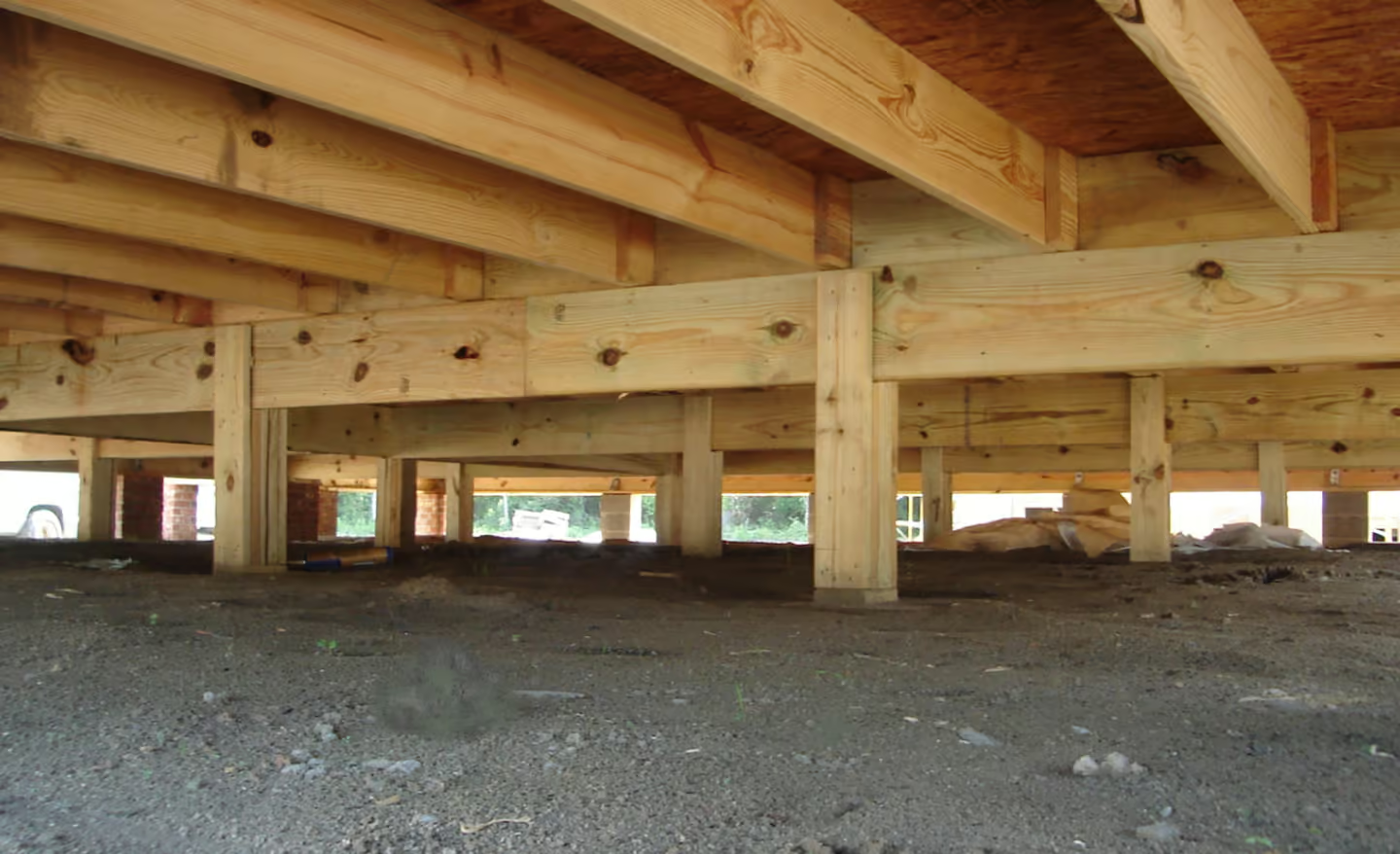
Signs of Pier and Beam Foundation Problems
Pier and beam foundation issues often show up inside the home before homeowners see what is happening in the crawlspace.
Look for:
- Sagging or bouncy floors
- Uneven floors from room to room
- Doors that stick or do not latch
- Cracks in interior walls or ceilings
- Gaps around trim or baseboards
- Musty crawlspace smells
- Moisture or standing water under the home
- Wood rot, insect damage, or deteriorated beams
- Piers that are leaning, sinking, or no longer supporting the beam
Because the structural components are hidden below the floor, a crawlspace inspection is important.
Why Pier and Beam Foundations Move
Pier and beam systems depend on stable supports, dry crawlspace conditions, and sound wood framing. Problems can develop when soil shifts, piers settle, drainage sends water under the home, ventilation is poor, or wood members deteriorate.
Common causes include:
- Soil movement under individual piers
- Standing water or high humidity in the crawlspace
- Rotted beams or joists
- Undersized or failing supports
- Poor prior repairs
- Pest or moisture damage
- Drainage problems around the home
A repair plan should address both support and moisture. Stabilizing a floor without solving crawlspace water issues may not protect the home long term.
Pier and Beam Repair Options
Depending on the condition of the foundation, repairs may include:
- Installing or replacing piers
- Adjusting and shimming supports
- Adding supplemental beams
- Replacing damaged beams or joists
- Stabilizing sagging floors
- Improving crawlspace drainage
- Reducing moisture under the home
- Replacing improper temporary supports
The right solution depends on what is actually failing: the soil, the pier, the beam, the joist system, or the moisture control around the home.
What We Check in a Pier and Beam Inspection
A pier and beam inspection may include:
- Floor elevation readings
- Crawlspace access and clearance review
- Visual inspection of piers and beams
- Joist and subfloor condition
- Evidence of water intrusion or high humidity
- Drainage around the exterior
- Signs of prior repair work
- Cracks and movement inside the home
After the inspection, we explain whether the issue appears minor, moderate, or urgent.